
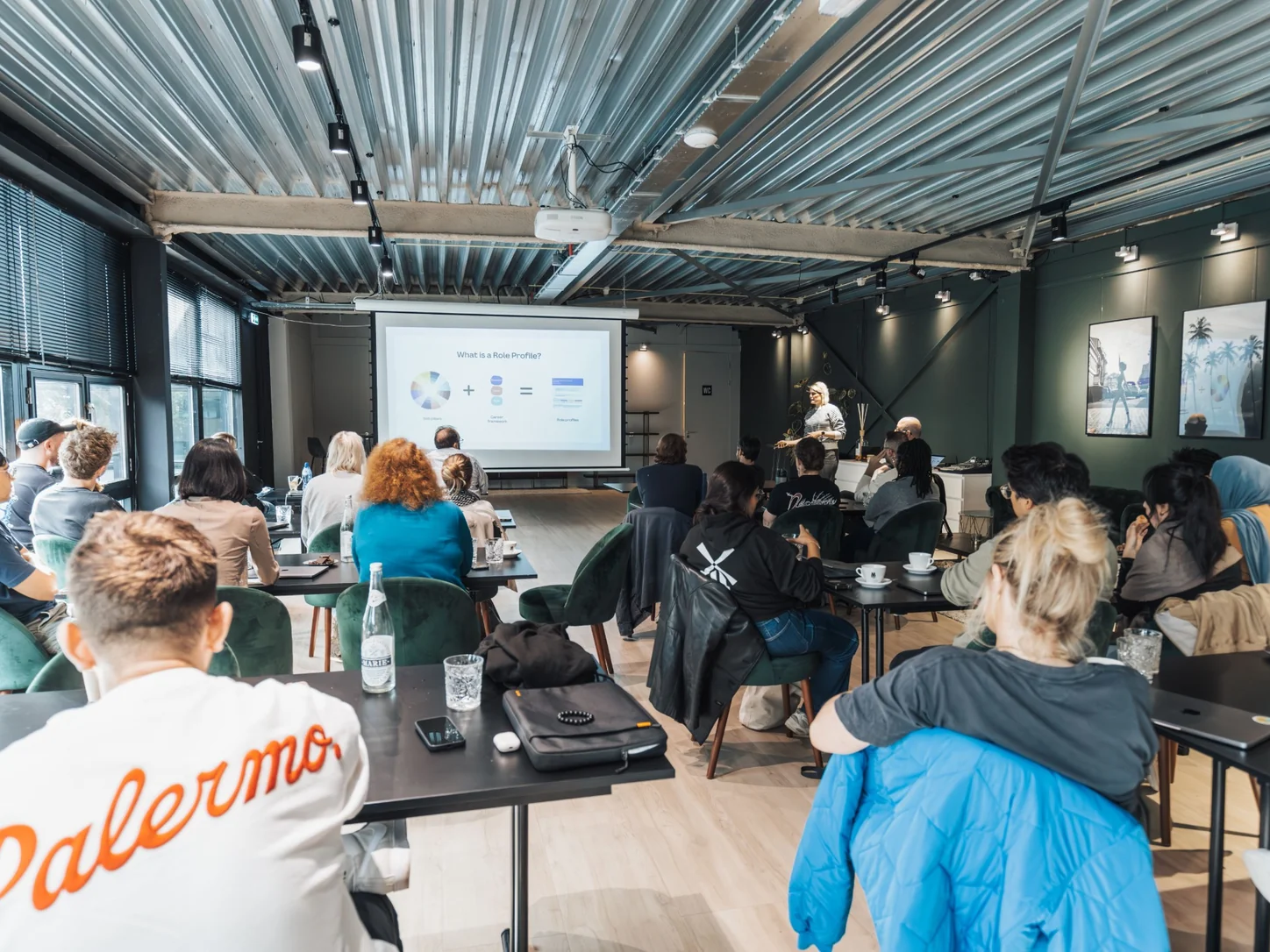
I love looking at event spaces. Give me good light and a room with a little character and I'll happily start imagining what could happen there.
So I understand why finding a venue feels like a good place to start when you want to host a workshop. It's tangible. You can send someone a link and say, “I'm thinking here.” Suddenly the idea feels much more real.
But I'd want to know what you're planning to do in that room before you put money down on it.
If you're wondering how to plan your first workshop, there's some thinking I would do before getting too attached to a space. It can save you from building an entire event around a booking you made when you were excited.
What are you hoping this does for your business
It's okay to want clients from a workshop. It's okay to want ticket revenue. You might want to give existing clients a reason to spend time together or test whether people are interested in a new program.
I just want you to say which one matters most for this event.
“Get my name out there” is a starting point. I'd keep going. Whose attention do you want? What would you like them to do afterward? How would you know the workshop helped?
If you're a coach introducing a group program, for example, you might want attendees to experience how you work and decide whether to apply. Your plan needs to allow for useful teaching, some interaction with you, and a clear next step for people who want more support.
A workshop meant to make money from ticket sales needs its own financial test. The ticket income has to support the costs and the compensation you want for your work.
Those two hosts could teach similar material and still need very different event plans.
Picture the person arriving
What do they already know? What are they hoping you'll help with? How comfortable will they feel talking in front of other people?
These details matter when you're deciding what the experience should involve.
Imagine a consultant planning an all-day workshop for new founders. After talking with a few prospective attendees, they realize most are still working full time. A weekday event would require taking leave. The original plan might become an evening session focused on one immediate problem.
Or imagine a coach who wants 50 attendees but also wants to give everyone individual feedback. Once you allow time for that feedback, the number may need to come down. Alternatively, the coach could introduce small-group exercises and bring in another facilitator.
Neither decision needs to be made by guessing what a business workshop is supposed to look like.
If you're still unsure whether people want the idea, start with how to validate your workshop audience. I'd rather you have those conversations now than after buying supplies for 50 people.
Work out what people will actually do
An agenda that says “presentation, activity, Q&A” leaves a lot unanswered.
Let's take a brand workshop. Are guests listening to someone explain positioning? Writing their own positioning statement? Getting feedback from a partner? Revising it with guidance from the facilitator?
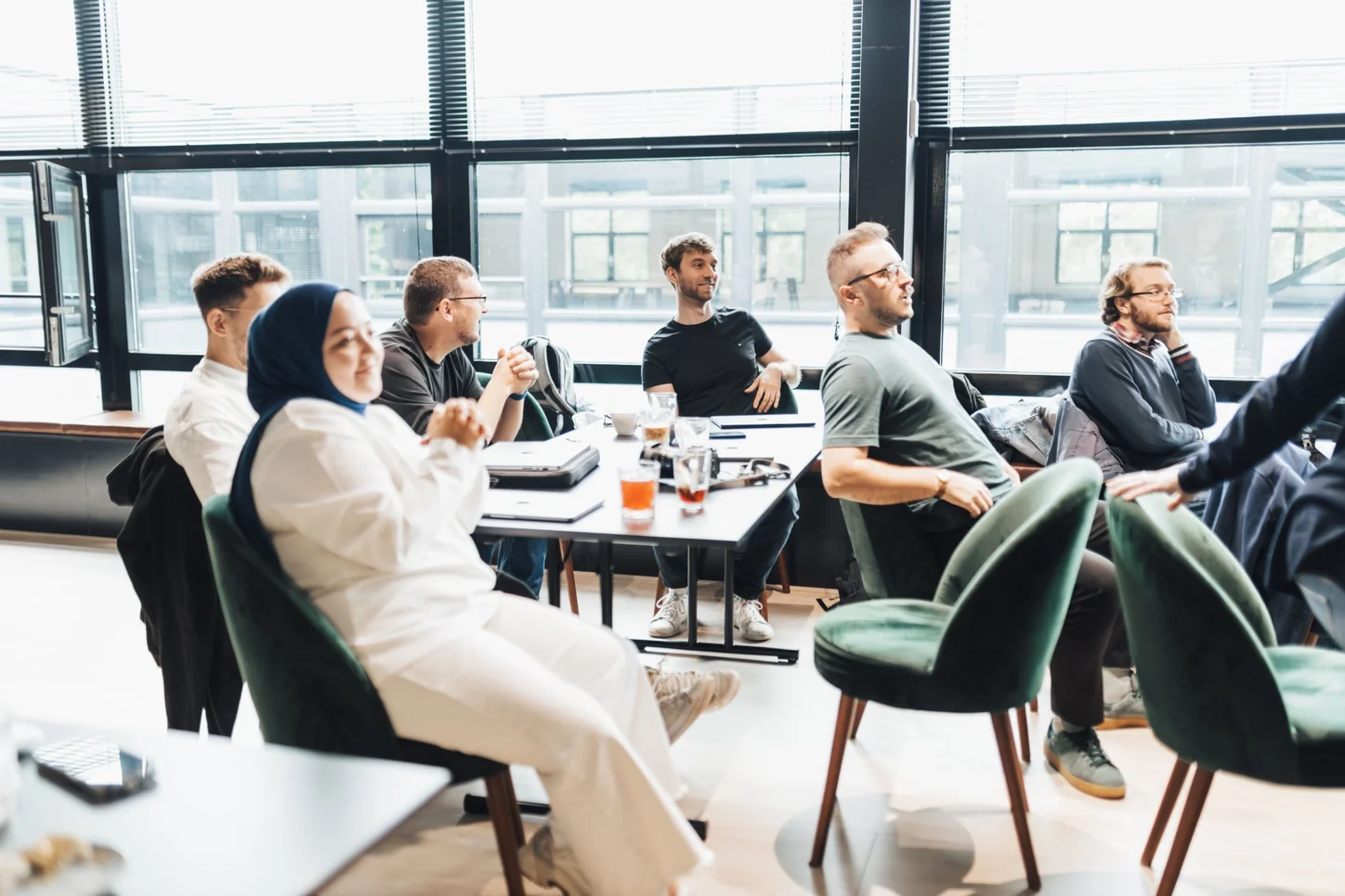
Each version asks for a different amount of time and support. It also changes the room requirements. People working on laptops need a usable surface and access to power. Sensitive conversations may need more privacy than an open corner of a café can offer.
I'd sketch the experience before trying to perfect the schedule. Write down what guests should leave with, then allow time for the work that gets them there. Include instructions, questions, and the few minutes it takes people to settle into an activity. Those minutes exist even if you leave them off the agenda.
And please give people a break if they need one. A packed schedule can look very impressive until you're the person sitting through it.
Put some numbers beside the idea
You don't need every quote to start a workshop budget. You do need a sense of what you're comfortable spending and how that spending will be supported.
Estimate the room, refreshments, materials, and any help you'll need. Account for setup and cleanup time. Add promotion costs and a contingency allowance. Include your preparation time when you're deciding whether the event makes business sense, even if you aren't paying yourself from ticket sales.
Then test the numbers at a smaller attendance level than your ideal one.
Would you still want to run the workshop with 10 guests instead of 20? Could you afford to? Would those 10 people still get the experience you promised?
That's a useful conversation to have before making a commitment that requires all 20 tickets to sell.
Now we can talk about the venue
By this point you have something much more helpful than “a cute space for a workshop.”
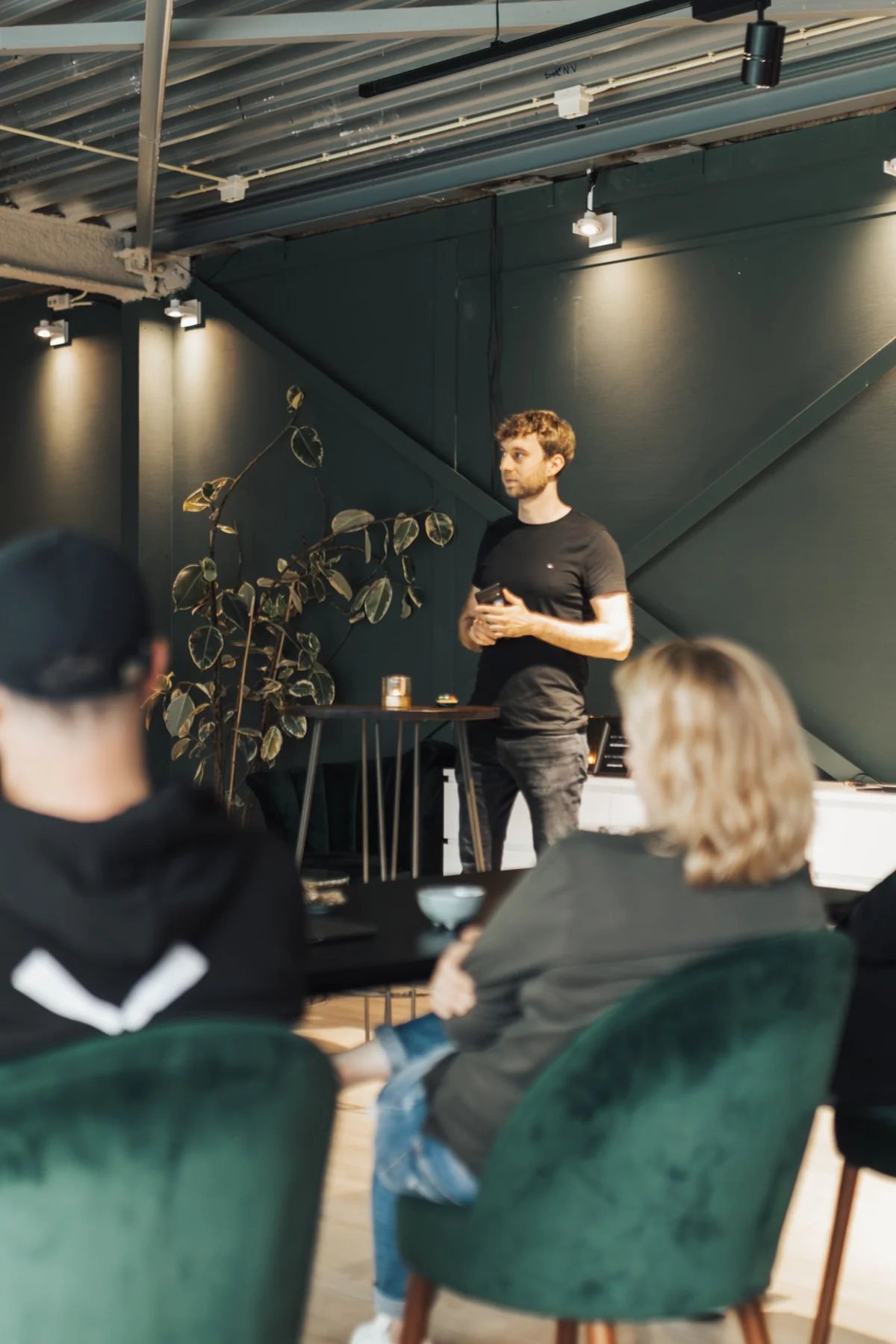
You know approximately how many people you're planning for. You know what they'll be doing and what you can spend. You can ask whether the room works for that layout, whether the equipment is included, and whether the available dates fit your audience.
Check the full rental period, access, parking, food rules, and cancellation terms before booking. Confirm the capacity for your actual setup. A room that holds 30 seated in rows may not fit 30 people comfortably working at tables.
From there, build the practical plan. Who is setting up registration? Who is inviting people? When do materials need to be ready? What has to happen before you can announce it?
Put the follow-up in that plan too. If someone leaves interested in working with you, you should already know how you'll help them take the next step. Asking permission to follow up and setting aside time to do it is much easier than trying to remember every conversation afterward.
This is why I like getting involved while an event is still an idea. A change to the audience can change the format. The format changes the budget. The budget might change the number of people you can realistically invite.
Working through those decisions is part of developing the event.
If you'd like someone to think it through with you, book a complimentary consultation. We can talk about your idea and whether an Event Development Plan would help you decide what to do next. You don't need to arrive with a venue shortlist or a finished agenda.
About the author
Madeline Narlock is the founder of Nightshift Planning Co., an Event + Experience Consultancy for businesses. She brings more than a decade of experience in events, hospitality, and experiential marketing.
Back to Ideas